August 12, 2026
Modern construction demands materials that combine structural strength with long-term cost efficiency across diverse commercial and private sectors. Property owners and developers seek solutions that resist severe weather, fire hazards, and biological pests while requiring minimal ongoing maintenance over decades of use. Traditional lumber and masonry architecture demands extensive labor and recurring upkeep, prompting a shift toward resilient, factory-engineered alternatives that endure environmental stress without structural degradation.
Contemporary steel buildings fulfill these demanding criteria across diverse industries and property types without excessive material waste. Advanced engineering techniques allow these structures to span wide areas without obstructive interior support columns or load-bearing dividing walls. As design flexibility becomes a paramount consideration for new construction, property owners adopt prefabricated metal frameworks for creative, customized projects that serve varied functional needs and evolve alongside changing requirements.
Commercial Applications: Warehouses and Retail Spaces
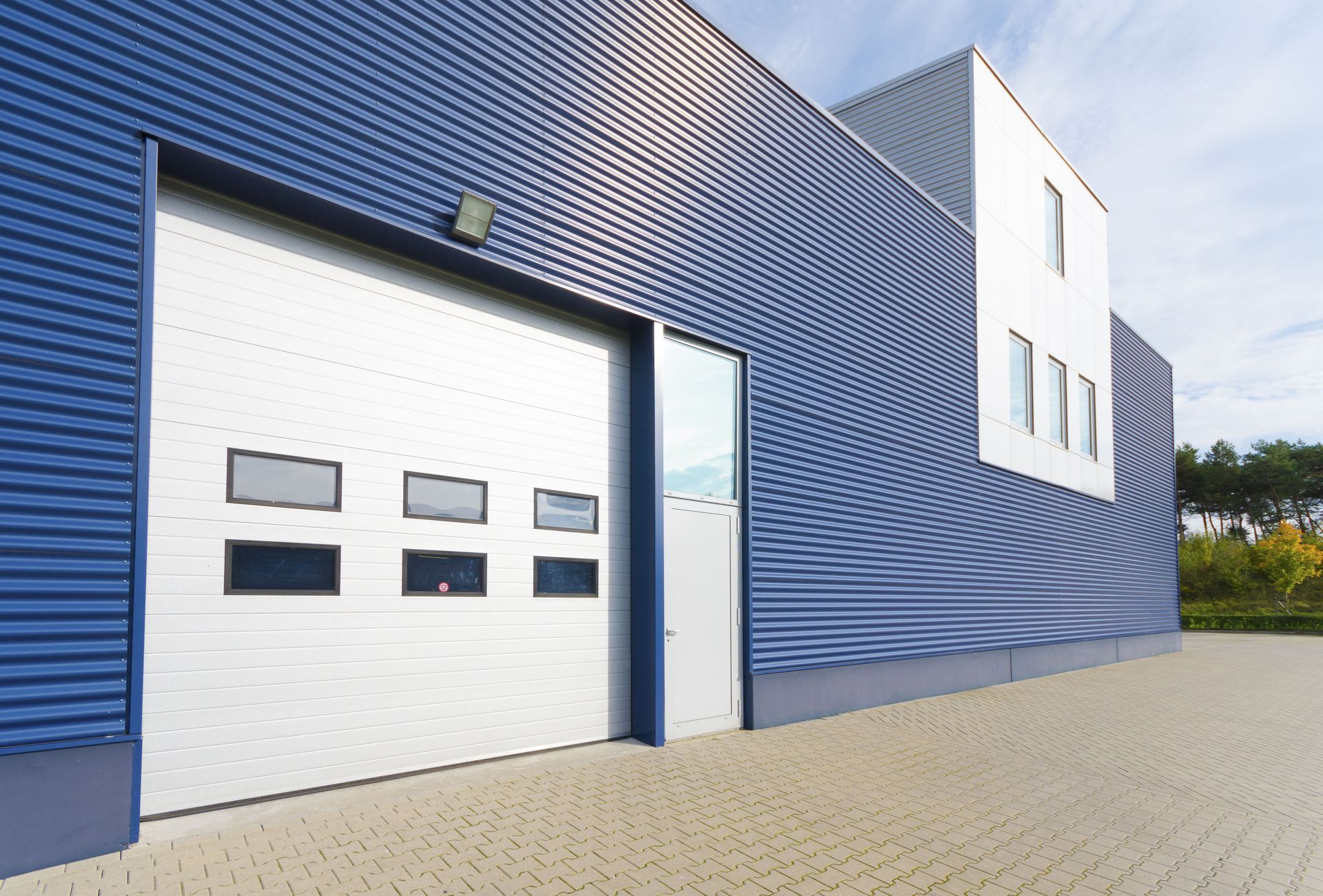
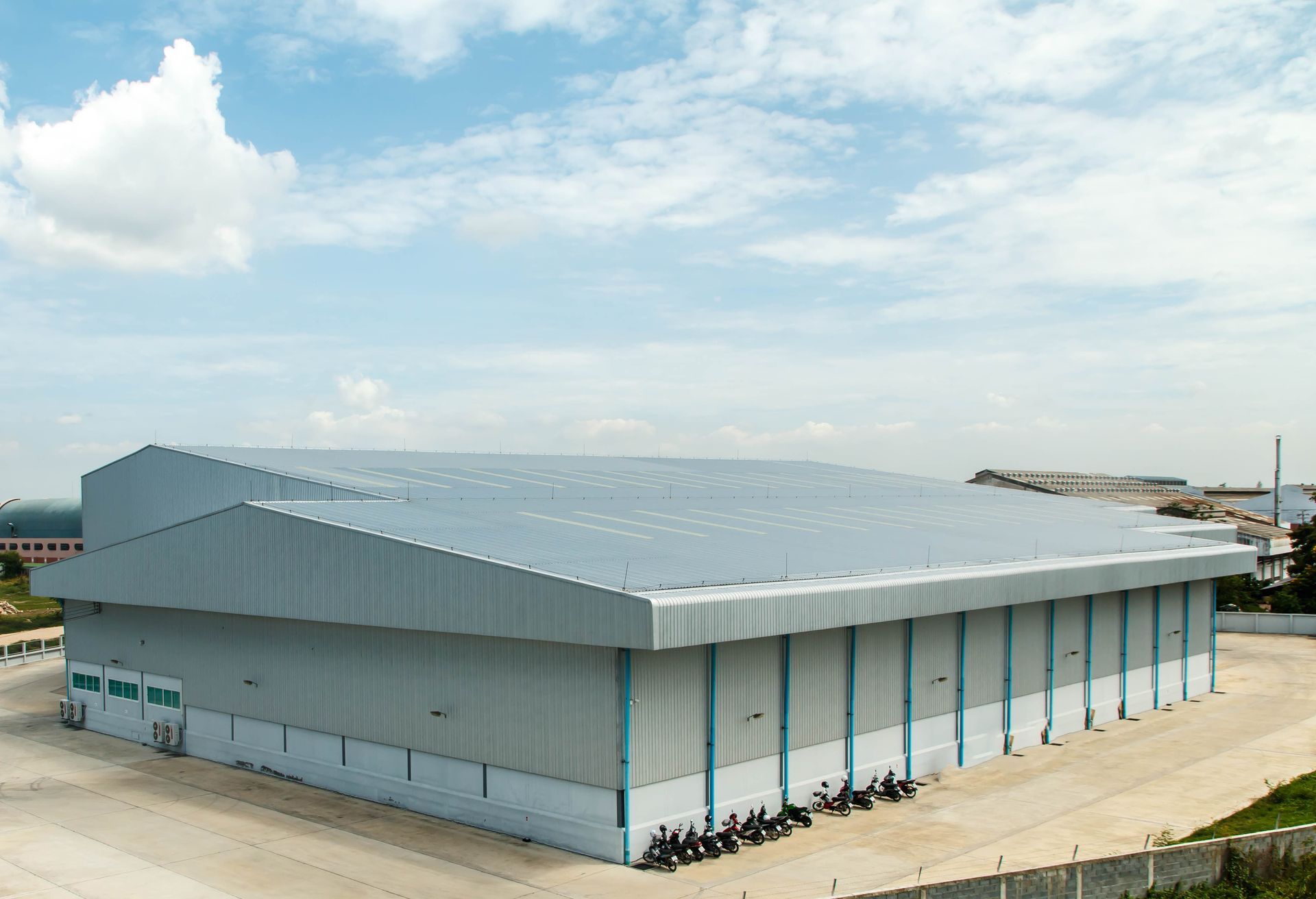
Enterprise growth necessitates adaptable physical space for inventory management, assembly lines, and customer service operations. Companies select steel buildings to house expansive fulfillment centers and manufacturing plants because clear-span engineering provides uninterrupted floor space. Unobstructed layouts permit smooth operation of forklifts, overhead cranes, and automated conveyor systems without structural interference from internal support columns or low-ceiling trusses.
Retail establishments and professional offices benefit from the adaptable interior configurations of pre-engineered metal architecture in competitive business districts. Partition walls can be installed or removed to accommodate changing operational requirements, allowing an individual facility to host showroom floors, private offices, and inventory storage rooms under one roof.
Speed of assembly represents another major advantage for commercial developers facing strict operational timelines and market demands. Precision-fabricated components arrive at the job site ready for rapid erection, reducing labor expenses and accelerating the start of business revenue generation. According to Market Research, the metal building industry has expanded at an annual rate of 3.8% over the last three years. This growth reflects widespread enterprise adoption.
Financial benefits extend into the operational lifespan of commercial structures through improved thermal efficiency and reduced insurance burdens. Quality insulation packages maintain stable interior temperatures, lowering monthly energy expenditures for heating and cooling systems. The non-combustible nature of metal framing results in favorable property insurance premiums for commercial enterprises seeking long-term operational savings, asset protection, and overall budget predictability.
Agricultural Applications: Barns and Equipment Sheds
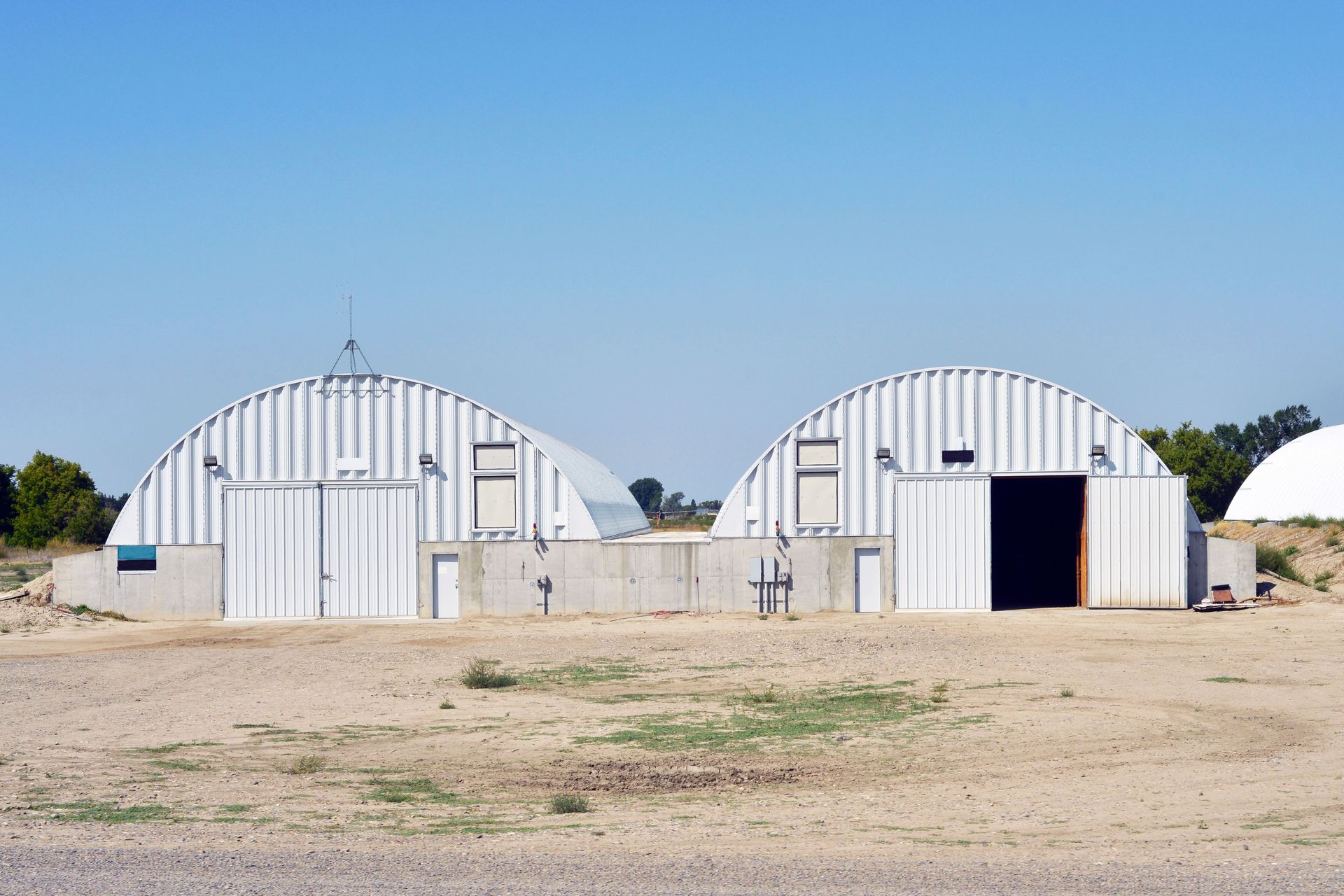
Agricultural operations require rugged facilities capable of sheltering heavy machinery, harvested crops, and livestock from seasonal environmental extremes. Traditional wooden barns remain vulnerable to moisture decay, termite infestations, and structural sagging over extended periods of exposure. Modern steel buildings provide an enduring alternative that withstands heavy snow loads, gale-force winds, and biological deterioration without rot or catastrophic structural failure.
Protecting high-value farm equipment such as tractors, combines, and irrigation trailers is critical for agricultural productivity and financial sustainability. Wide sliding doors and high ceiling clearances allow oversized machinery to enter and exit storage sheds without risk of structural collision. Enclosed metal bays keep mechanical assets dry and secure, preventing rust, corrosion, and mechanical degradation over decades of intensive daily field use.
Livestock housing demands superior ventilation, sanitary interior surfaces, and stable environmental controls to promote animal health and growth. Prefabricated metal structures accommodate custom ventilation systems, cupolas, and ridge vents that regulate airflow and disperse excess moisture. Interior layouts can be partitioned into stables, riding arenas, and feed storage areas that simplify daily ranch chores, reduce labor waste, and improve overall farm operational efficiency.
Grain and feed storage represents another essential function for agricultural metal constructions across farming regions. Tight structural joints and secure roof panels prevent water ingress and exclude rodents, birds, and insects from stored harvests. Maintaining a dry, pest-free storage environment preserves nutritional quality and protects farm commodities against rot and bacterial contamination prior to commercial market distribution and daily livestock feeding schedules.
Residential Applications: Garages and Living Quarters
Private property owners integrate pre-engineered metal structures into residential parcels to expand usable square footage and property utility. Suburban and rural homeowners construct detached metal garages to shelter personal vehicles, recreational boats, and lawn maintenance equipment. These secure structures protect valuable investments from hail damage, sun exposure, and vandalism while enhancing the overall utility and aesthetic appeal of suburban and rural residential properties.
Dedicated workshop spaces represent another popular residential application for steel buildings across urban and rural communities. Woodworkers, automotive hobbyists, and metal fabricators utilize clear-span interiors to set up tool benches, welding stations, and heavy project tables. Acoustic insulation and specialized power wiring can be integrated to support noise-heavy hobbies and high-demand mechanical equipment without disturbing adjacent residences or neighborhood quiet zones.
Beyond simple storage and utility work, metal construction serves as a foundation for comfortable living spaces and guest quarters. When outfitted with residential insulation, drywall, plumbing, and climate control, metal frameworks transform into cozy secondary suites or rental properties. These auxiliary residences offer independence and privacy for visiting guests while enhancing total property valuation, leasing potential, and long-term residential accommodation versatility.
Remote work trends have driven demand for quiet, detached home offices on residential land parcels. A backyard metal office provides physical separation between domestic life and professional tasks, fostering daily focus and productivity. Large windows, architectural doors, and contemporary interior finishes create a professional work environment just steps away from the primary dwelling without requiring expensive home additions or invasive structural modifications to the main house.
Recreational Applications: Gyms and Community Centers
Municipalities, schools, and private entrepreneurs utilize steel buildings to develop athletic complexes and public fitness centers. Unobstructed ceiling heights and expansive open floor plans accommodate indoor tennis courts, basketball gymnasiums, and turf soccer fields. These indoor facilities allow year-round athletic training regardless of exterior weather conditions, supporting active community lifestyles, wellness programs, and competitive sports leagues across all seasons.
Community organizations and religious institutions construct multipurpose gathering halls using prefabricated metal framing systems. An open interior layout allows an individual hall to host banquets, educational seminars, and youth recreation programs without spatial barriers. Acoustic wall treatments and commercial kitchen installations can be added to support diverse community events, charity fundraisers, and social celebrations without capacity restrictions or structural obstructions.
Creative arts and entertainment venues represent an emerging role for contemporary metal architecture within cultural districts. Art studios, music rehearsal halls, and theatrical performance spaces benefit from customizable floor plans and sound-dampening insulation. Wide access doors simplify the movement of stage sets, sculpture materials, and audio equipment into the performance area without logistical bottlenecks, doorway obstructions, or transit equipment damage.
Specialized hobby sanctuaries such as private game rooms and collector galleries flourish within prefabricated metal frameworks. Property owners install custom lighting, advanced climate controls, and entertainment systems to create comfortable leisure spaces. The durability of metal framing ensures that prized collections and recreational equipment remain protected against environmental damage, excessive humidity, structural leaks, and unauthorized entry.
From industrial manufacturing centers to private hobby workshops, steel buildings demonstrate superior versatility across diverse modern construction sectors. Property owners, agricultural producers, and commercial developers replace traditional wood and masonry structures with engineered metal frameworks. The adaptability of clear-span engineering ensures that these facilities can evolve alongside changing operational requirements, market dynamics, and long-term property demands.
Investing in a prefabricated metal structure provides enduring structural stability, minimized maintenance demands, and favorable long-term financial value for property developers. As construction technology advances, metal architecture will remain a prominent choice for practical, efficient, and customized property improvements. Careful planning and quality fabrication allow property owners to build structures that serve their intended functional purpose across future generations. We at Florida Metal Building Services are ready to turn your vision into reality with custom steel buildings engineered for your specific needs. Reach out to us today, and let's start planning your next construction project.